

Growing Up Around Music
I grew up around music in Nigeria. My grandmother interpreted life through the songs of King Sunny Ade and Ebenezer Obey. My mother was deeply creative, too. She sang, acted, worked in radio, and had a wonderfully eclectic taste in music.
Because of this creative environment, I grew up listening to Bob Marley, Fela, Jimmy Cliff, Aretha Franklin, and so many amazing artists.
A Love for Afrobeat
I was also a bookish child, prone to adventures and fantasies, always disappearing into stories.
That might be why I love Afrobeat so much. Music rooted in indigenous sounds, layered with fusion, rhythm, rebellion, beauty, swagger, and movement.
I loved dancing to Afrobeat.
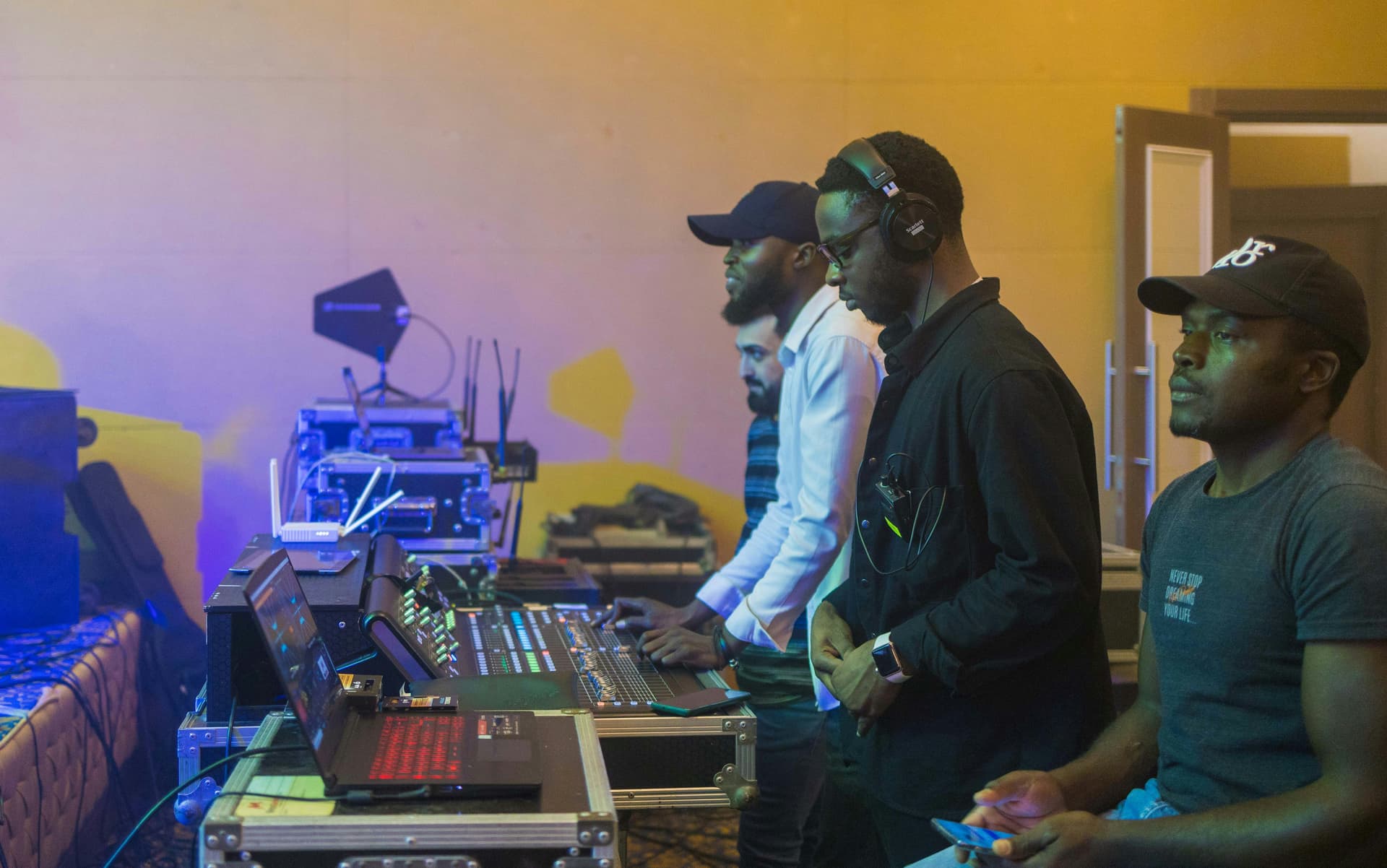
The Reality Behind Global Success
Today, the world knows names like Burna Boy, Davido, Wizkid, Tiwa Savage, Teni, Rema, and Asake. But behind those stars are thousands of musicians uploading songs to streaming platforms, hoping to be heard and hoping to make a living from their craft.
What shocked me in my conversation with Melody Nehemiah was learning that some artists who earn money from streaming platforms still struggle to receive payments due to exchange rates, platform rules, and financial barriers.
That was one of the reasons I was keen to speak to Melody.
He grew up around music, too, but now builds technology around it. He is the CEO of Songdis, Afrobeat streaming revenue, one of the few companies selected for the NBA Africa accelerator initiative, something I had no idea existed before this conversation.
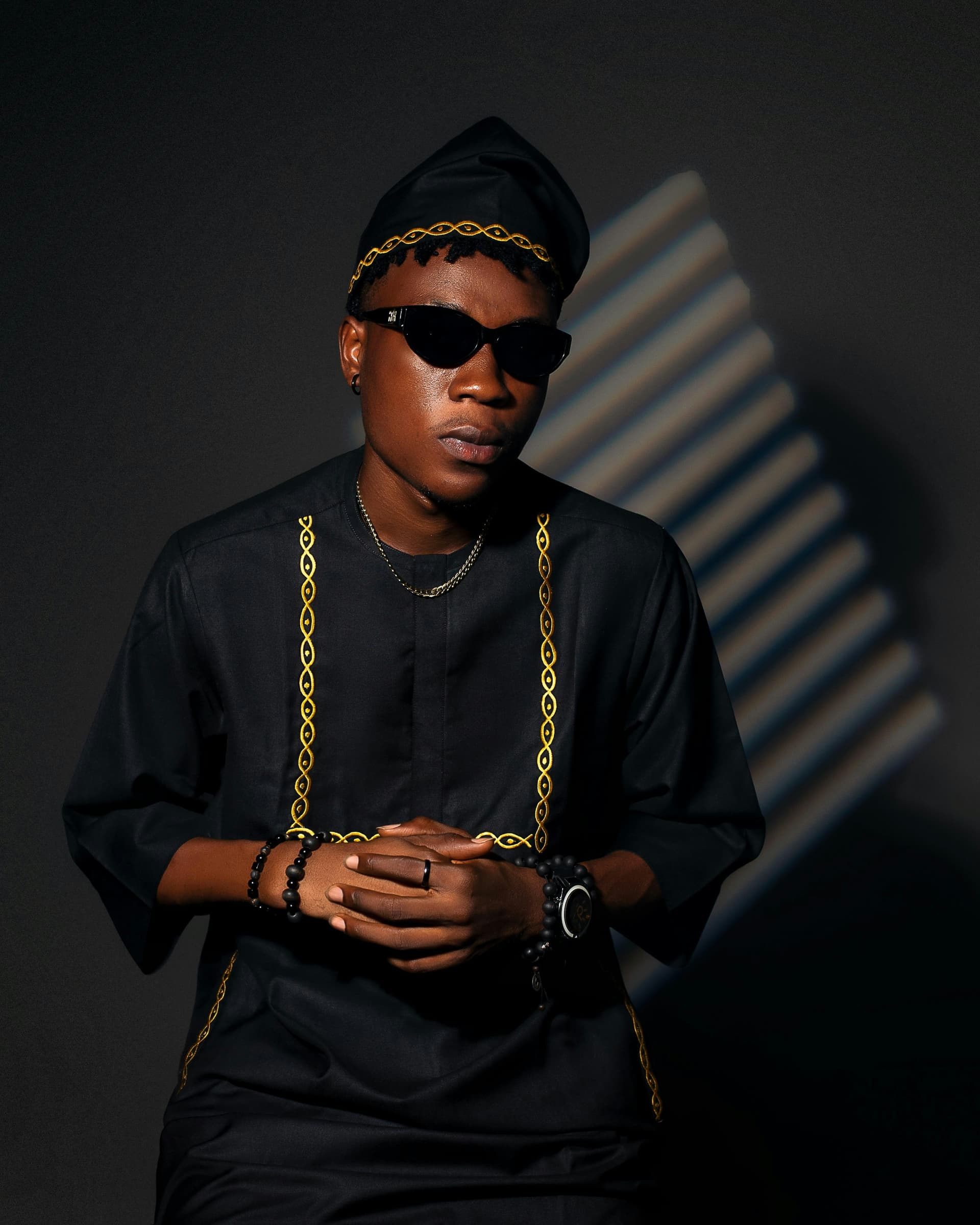
Music, Technology, and Afrobeat Streaming Revenue
We spoke about music, technology, distribution, ambition, and the realities behind Afrobeat’s global success. Most importantly, we discussed why platforms like Songdis are fighting to help artists actually receive the money they have earned.
Listen to the latest episode of Talking Tech with Creatives.